
Blogs
- Home
- Blogs
HS Code Dubai: Everything You Need to Know
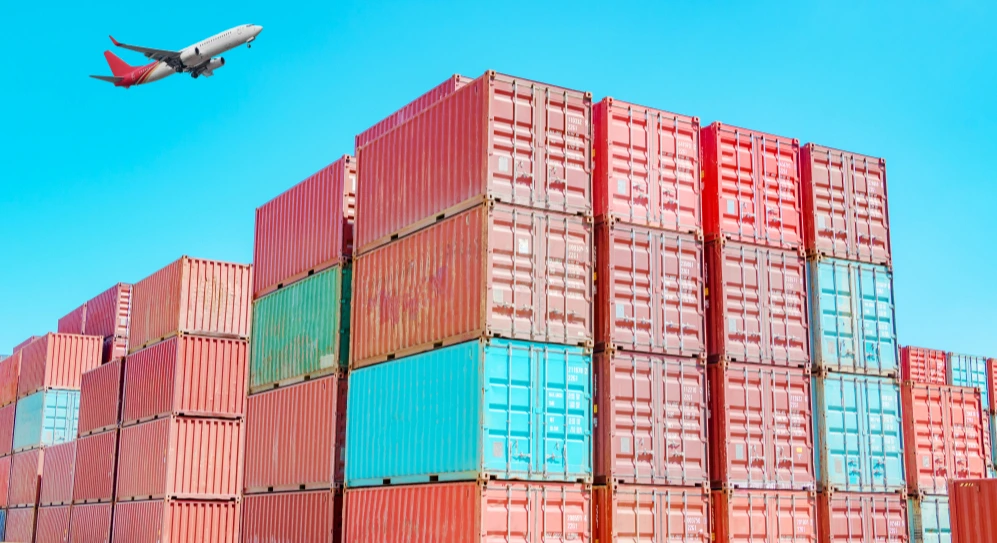
If you are trading internationally, understanding HS code Dubai is crucial. From ensuring correct customs duties to avoiding shipment delays, these codes form the backbone of trade compliance in Dubai. Knowing how to classify your goods correctly can save time, money, and unnecessary headaches. Freight forwarding companies in Dubai can assists businesses in navigating HS codes accurately, making international shipping smoother and more reliable.
In this blog, we will explain what HS codes are, how they are structured in Dubai, and why they matter for imports and exports. You will also learn about recent changes, duty rates, common examples, and practical tips to ensure your shipments comply with Dubai customs regulations.
What Is HS Code?
An HS code, or Harmonized System code, is an internationally recognized number used to classify traded goods. In Dubai, HS codes determine customs duties, track imports and exports, and identify restricted or sensitive items. The system enables customs authorities and businesses to communicate effectively, ensuring compliance with trade laws.
Structure of HS Codes in Dubai
HS codes follow a standard format worldwide. In Dubai:
- First 2 digits: Indicate the chapter or broad product category.
- Next 2 digits: Specify the heading, narrowing the classification.
- Final 2 digits: Represent the subheading, offering detailed product information.
Dubai has transitioned from an 8-digit to a 12-digit HS code system, enhancing classification precision. Businesses must update systems and processes to align with the new structure.
Why HS Codes Matter
Correct HS codes in Dubai affect several key areas:
- Customs Duties: The accurate code ensures you pay the right amount of duty.
- Trade Compliance: Misclassification can lead to fines or confiscation.
- Preferential Treatment: Certain trade agreements require precise codes for tariff benefits.
- Efficient Clearance: Proper codes speed up customs processing and reduce delays.
HS codes also enable better supply chain planning and inventory tracking. Businesses can forecast costs and identify potential regulatory hurdles early.
Authorities Managing HS Codes in Dubai
Dubai Customs oversees daily operations, verifying classifications and handling declarations. At the federal level, the Federal Authority for Identity, Citizenship, Customs and Port Security updates tariffs and coordinates with the GCC Unified Customs Tariff. These entities ensure Dubai’s HS code system aligns with international standards.
Recent Changes in HS Codes
The shift from 8-digit to 12-digit codes in Dubai has expanded tariff lines significantly. This allows for more precise classification of products. For businesses, it means updating ERP systems, retraining staff, and reviewing all product classifications. The transition period from August 2025 to January 2026 allows both formats, but after this, the 12-digit code becomes mandatory.
HS Codes and Duty Rates
Dubai customs apply a 5% standard duty on most imports. Some goods, like electronics and medical equipment, are duty-free. Alcohol carries a 50% duty, and tobacco products attract 100%. Entering the correct HS code automatically triggers these rates, ensuring proper billing and compliance.
Common HS Code Examples
- Electronics: Computers and smartphones fall under specific chapters with duty exemptions.
- Food Products: Each type, such as cereals or dairy, has its own HS code.
- Textiles: Different fabrics and clothing items are classified separately.
- Machinery & Equipment: Industrial machines require precise classification to determine duties.
Using the right HS code in Dubai reduces disputes and prevents shipment holds at customs.
Tips for Using HS Codes in Dubai
- Always verify the code with Dubai Customs before shipping.
- Update your accounting and ERP systems to reflect new 12-digit codes.
- Train staff handling imports and exports on correct classification practices.
Keep a record of all declarations and customs approvals.
Conclusion
Understanding HS code Dubai is essential for any business involved in import or export. It ensures accurate customs duty calculation, maintains trade compliance, and smoothens the shipping process. By keeping codes updated and precise, businesses can avoid penalties and optimize operations.
Pent Freight Services helps traders navigate HS codes efficiently, offering guidance that safeguards shipments and strengthens international trade credibility. With the right support, proper HS code management becomes a powerful tool for smooth, reliable global trade.
Share Now:

Alphamol Sebastian
Alphamol is a content strategist with over five years of experience. Based in the UAE, she specialize in creating insightful and engaging articles for diverse industries, including specialized retail, professional services, and consumer product brands.
Categories
Recent Posts
Subscribe To Newsletter

Quick Links
Get In Touch
- Tilden Block 8 Room 2, AVIANCE Cargo Village Kotoko International Airport
- Block B -B46-019 Rolex Tower Business Bay Dubai, UAE
- +233 24 742 8831
- +971 52 417 2191
- info@pentfreightservices.com
Copyright © 2025 Pent. All Rights Reserved.